Pressure Cleaning Port Macquarie Strata Buildings Need: What Strata Cleaning Should Include For Common Areas
For strata buildings, a clear cleaning plan covers more than foyers and shared hallways. If you’re comparing pressure cleaning in Port Macquarie for an apartment block, townhouse complex or body corporate property, this guide explains what exterior common-area cleaning can include and what to check before engaging a contractor.
What Is Strata Cleaning?
Strata cleaning is the upkeep of shared areas in a strata-titled property. It often combines routine internal cleaning, such as foyers, lifts and corridors, with periodic exterior maintenance of driveways, walkways, car parks, bin bays and building surfaces. The owners corporation is responsible for properly maintaining common property, so a planned schedule helps managers and committees identify what needs attention and arrange suitable work.
Strata cleaning and maintenance can involve several contractors and frequencies. A cleaner may attend shared interiors regularly, while a pressure cleaning contractor visits when outdoor surfaces show grime, organic growth or coastal build-up. The scope depends on the property’s layout, materials, use and existing maintenance plan.
For a body corporate cleaning plan, the manager or committee can start by separating recurring tasks from periodic jobs. Daily or weekly work might cover bins and interior touchpoints, while exterior cleaning is scheduled after an inspection or when a particular area needs it. Individual lots are generally outside a common-area scope unless the owners corporation has agreed otherwise. A clear schedule helps residents understand what is included and gives contractors a defined area to quote.
What Should Strata Cleaning Include?
A common-area plan should list each shared space, its cleaning method and how often it needs attention. For exterior pressure cleaning, inspect the areas residents and visitors use most, along with places where grime or growth tends to collect:
- Driveways, entry paths and pedestrian walkways
- Open or undercover car parks and ramps
- Bin bays and hardstand areas
- Shared courtyards, patios and pool surrounds
- Accessible exterior walls and building facades
Not every surface should receive the same treatment. Concrete may tolerate a different approach from painted render, delicate finishes or coated surfaces. A contractor should identify the material and choose a suitable cleaning method rather than applying the highest pressure everywhere. For advice about commercial sites and shared exterior areas, we offer
commercial pressure cleaning in Port Macquarie.
Where Pressure Cleaning Fits
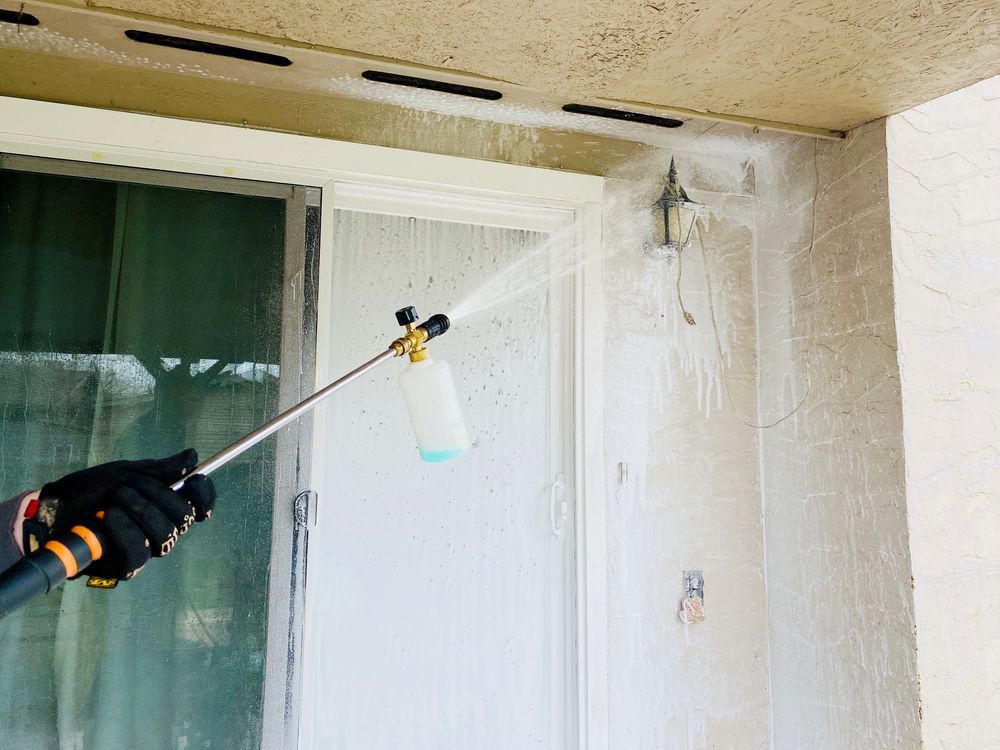
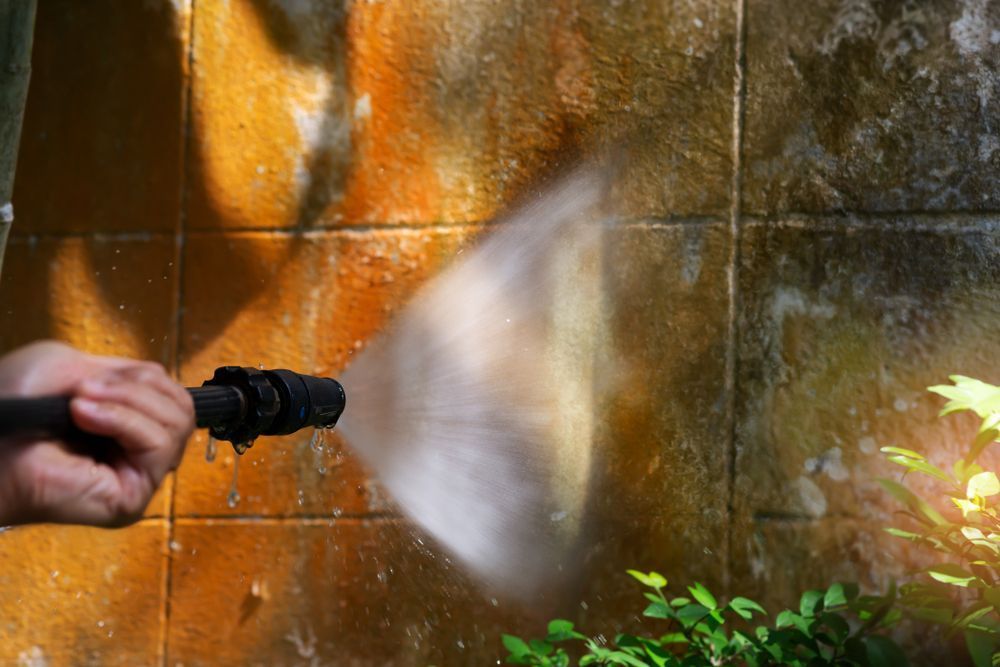
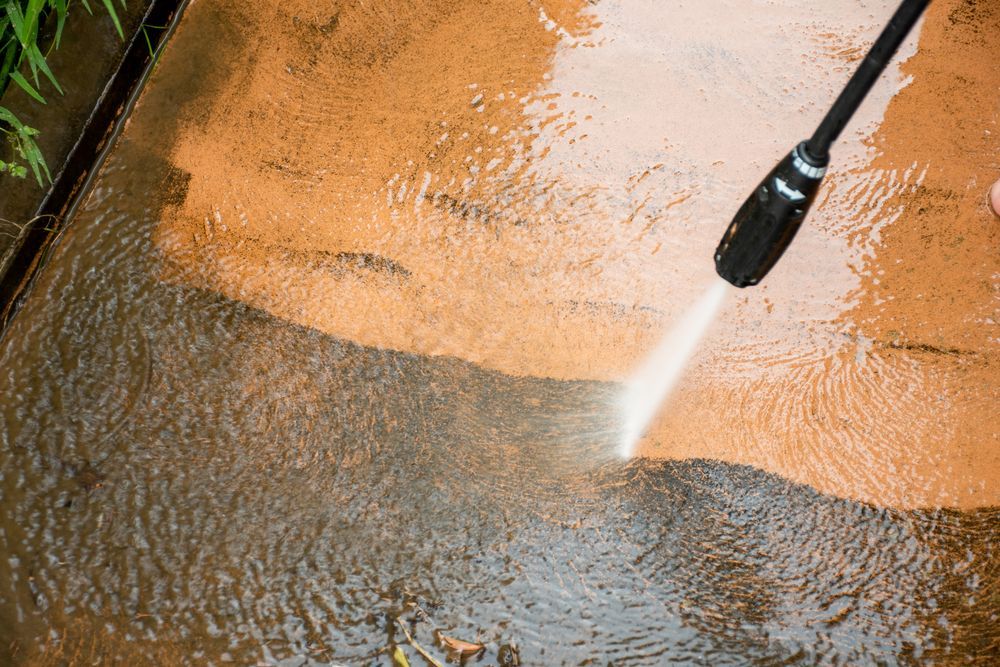
Pressure cleaning is periodic exterior maintenance, not a replacement for routine internal cleaning. It can lift accumulated dirt and some surface growth from suitable hard surfaces, helping shared areas look cared for and remain easier to maintain. A site walk-through can clarify which areas need pressure, a softer wash or another cleaning approach.
Ask the contractor to note the surface type and any visible damage before work starts, then confirm the agreed method for each area. That simple step helps avoid applying an unsuitable process to painted finishes, joints, sealants or nearby landscaping. It also gives the strata manager a record of the agreed scope if residents ask which areas are being cleaned.
Painted or rendered facades may need a gentler method than concrete paths. Our guide to
Soft-Wash Vs High-Pressure Cleaning: Which Is Right For Your Home explains why matching the method to the surface matters. For taller buildings, access equipment, exclusion zones and resident safety also need to be considered before exterior work starts.
What to Check Before Engaging a Contractor
Ask for current public liability insurance and confirm whether the work requires any specific contractor licence or qualification. Licensing requirements can depend on the work being performed, so ask the contractor to explain what applies to the proposed scope. For elevated work using a lift, request the relevant safety documentation and confirm workers are trained to use the equipment.
Where the work is construction work classified as high-risk, a site-specific Safe Work Method Statement (SWMS) must be prepared before it starts. Ask how the contractor will manage falls, dropped objects, equipment movement and access below the work area. A clear written scope should also state which surfaces are included, the proposed method, access arrangements and how issues or exclusions will be handled.
Plan Around Residents and Runoff
Good scheduling makes a noticeable difference in an occupied building. Agree on work dates, expected noise, areas that will be temporarily unavailable and how residents will be notified. Where vehicles need to be moved or paths closed, give residents and building staff enough notice and arrange clear pedestrian access around the work zone.
Runoff needs a plan too. NSW EPA guidance says wash water from cleaning activities must not enter stormwater drains. Before work begins, ask how the contractor will contain or capture wastewater, protect nearby drains and manage collected water appropriately. This is especially relevant around car parks, bin bays and sloped driveways where runoff can travel quickly.
How Often Should Common Areas Be Pressure Cleaned?
There is no single schedule that suits every building. In Port Macquarie, coastal exposure can contribute to salt deposits, while damp or shaded areas may collect mould and other organic growth. As a planning starting point, owners corporations can assess facades and other exposed common areas on a 12–24 month cycle, then set cleaning frequency according to the material, exposure, visible build-up and site conditions.
Regular assessment helps committees plan work before grime becomes more difficult to address and budget for maintenance as part of the broader property plan. It is also sensible to inspect after unusually wet or stormy periods. Include
gutter cleaning in the wider exterior maintenance conversation where relevant, as gutters and downpipes affect how water moves around the building.
Pressure Cleaning for Port Macquarie Strata
A practical strata cleaning plan separates frequent interior cleaning from periodic exterior pressure cleaning, defines the shared areas included and records how access, safety and wastewater will be managed. For example, a hypothetical townhouse complex might arrange walkway and bin-bay cleaning during a quieter weekday window, while scheduling facade work separately because it needs lift access and resident notices.
At Complete Pressure Cleaning, we can discuss the common areas, surfaces and access conditions at your property before quoting. If your committee or building manager is comparing contractors,
meet our team and
contact us at
Complete Pressure Cleaning to discuss a suitable scope for your Port Macquarie property.